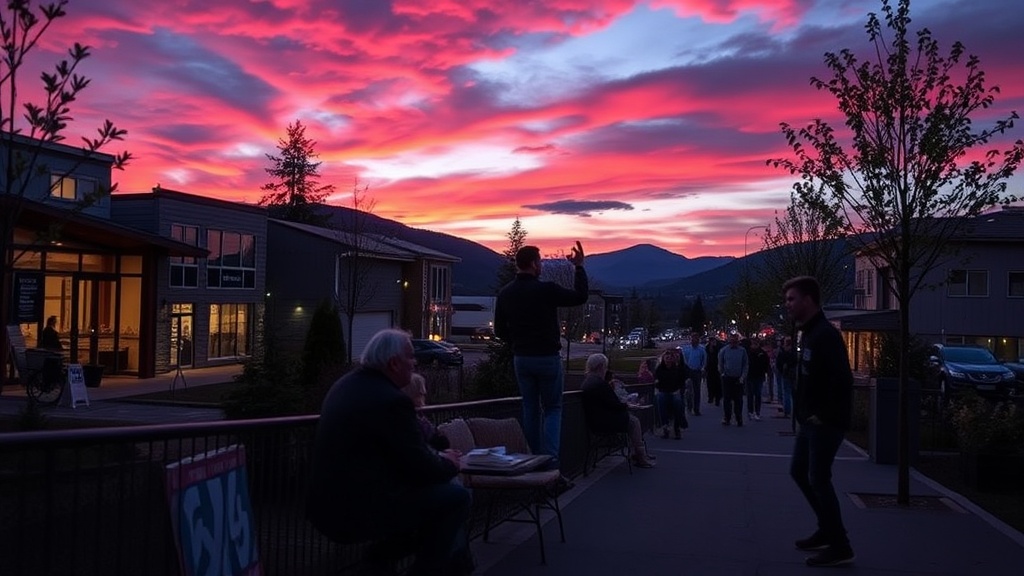
How to Get Involved in West Kelowna's Community Decision-Making

How Can Residents Actually Influence Decisions in West Kelowna?
Ever wondered why that new development got approved—or why your street still doesn't have proper sidewalks? In West Kelowna, the decisions that shape our daily lives happen at council meetings, committee sessions, and public hearings that most of us never attend. The good news: our municipal government is more accessible than many residents realize. You don't need to be a political insider or have hours of free time to make your voice heard. Whether you're frustrated about traffic on Highway 97, curious about zoning changes near Gellatly Road, or simply want to understand how our city actually works, there are concrete ways to get involved. This guide breaks down exactly how West Kelowna residents can participate in local decision-making—from showing up to a council meeting to joining an advisory committee.
Where Do West Kelowna's Big Decisions Actually Get Made?
Our city operates under a council-manager system, which means elected officials set policy direction while professional staff handle day-to-day operations. The City of West Kelowna website is your starting point for understanding what's on the agenda each week.
Council meetings happen every Tuesday evening at West Kelowna City Hall on Elliott Road. These sessions are where bylaws get passed, budgets get approved, and major projects get the green light. The meetings are open to the public, and there's always a dedicated time for residents to speak. You can sign up in advance—or just show up and put your name on the list.
But here's what many locals don't realize: the real work often happens in committee meetings. West Kelowna has several standing committees—including Planning and Development, Parks and Recreation, and Economic Development—that meet monthly and make recommendations to full council. These smaller gatherings are less formal, often held during daytime hours, and offer more opportunities for genuine dialogue. Committee members include both councilors and appointed residents, which means regular people (not just politicians) are directly shaping recommendations.
For development-related issues specifically, the Advisory Planning Commission reviews proposals before they reach council. This commission holds public hearings where nearby property owners receive direct notification about projects that might affect them. If you've ever wondered how that new apartment building got approved down the street, chances are there was a public hearing you weren't told about—or didn't notice.
What's the Best Way to Speak Up at a West Kelowna Council Meeting?
Speaking at council can feel intimidating, especially if you've never done it before. The formal procedures, the microphones, the rows of seats facing elected officials—it all looks very official. But in practice, West Kelowna's council has a reputation for being reasonably approachable.
Here is the actual process: arrive at City Hall by 6:00 PM on a Tuesday, sign in at the front desk, and indicate that you want to speak during the public input portion. You'll typically get five minutes—though the mayor can extend this if the discussion warrants it. There's no requirement to be an expert. Council wants to hear from residents who are affected by decisions, and personal stories often carry more weight than technical arguments.
That said, preparation helps. Know what item you want to address. Check the agenda posted online by Thursday afternoon before each meeting. If you're responding to a specific report or bylaw, reference it by name and number. Bring copies of any materials you want to distribute—staff will collect them and ensure councilors receive them.
Some of the most effective speakers we've seen at West Kelowna meetings share a few traits: they're respectful but direct, they connect the issue to their own experience living here, and they offer a specific ask. Instead of just complaining about traffic, for instance, explain how the current situation affects your daily commute on Boucherie Road and ask for a specific solution—like improved signal timing or a crosswalk.
How Do Advisory Committees Work in West Kelowna?
Committee appointments represent the most substantial way to influence city business—and they're surprisingly accessible. Each year, usually in the fall, West Kelowna posts openings on its advisory committees. These volunteer positions typically require a few hours per month but give you a seat at the table where recommendations are formulated.
The Arts and Culture Advisory Committee, for example, helps decide how the city supports local artists and cultural events. The Environmental Advisory Committee weighs in on sustainability initiatives, green space preservation, and climate adaptation. The Accessibility Advisory Committee ensures that city facilities and services work for residents with disabilities. These groups don't just advise—they often initiate projects that council later adopts.
Applications are straightforward: a brief form describing your background and interest, submitted through the city's website. You don't need political connections. What matters is genuine expertise or lived experience relevant to the committee's mandate. A retired teacher might be perfect for the Library Board. A small business owner could contribute to the Economic Development Committee.
The commitment is real but manageable. Most committees meet monthly for two hours. You may need to review staff reports beforehand. And yes, there will be times when council ignores your committee's recommendations—that's the nature of advisory roles. But over time, consistent participation builds relationships with staff and councilors. You become someone they call when they need perspective on how a decision affects actual residents.
Can Online Engagement Actually Make a Difference?
Not everyone can attend Tuesday evening meetings or commit to committee service. West Kelowna has gradually improved its online engagement tools, though they're still catching up to larger cities. The city's Get Involved portal posts active consultations on everything from park designs to budget priorities.
These online surveys do get read. Staff compile responses and include them in reports to council. The key is to provide specific, actionable feedback rather than vague complaints. When the city asked for input on the Westside Multiplex recreation facility, for instance, respondents who explained exactly which amenities their families would use—rather than simply saying "we need a pool"—helped shape the final design.
Social media has also become a channel for civic participation, though it works differently. Commenting on the city's Facebook posts or tagging councilors on Twitter (X) can raise visibility for issues, but it doesn't replace formal input. Think of social media as a way to build awareness and find allies, not as a substitute for showing up at meetings or submitting written comments.
Written correspondence still carries weight. Emailing your councilor directly—especially when you cc the mayor and relevant staff—creates a record that must be included in the official file. For development applications, submitting written comments before the public hearing deadline ensures your concerns are formally considered. The city is legally required to address each point raised in public feedback when making decisions.
What About Neighbourhood-Specific Issues?
West Kelowna's neighbourhood associations offer another entry point for community involvement. Groups like the Westbank Centre Association and the Glenrosa Community Association represent specific areas and meet regularly with city staff and councilors. These associations often know about proposed changes before they're publicly announced—and they can mobilize residents quickly when needed.
Joining your neighbourhood association is usually as simple as attending a meeting or paying a small annual fee. Even if you don't become a board member, being on their email list keeps you informed about hyperlocal issues: planned road closures, upcoming developments, community events, and safety concerns. When the city proposes changes to your specific area—rezoning a nearby lot, modifying parking regulations, installing new playground equipment—your neighbourhood association is often the first to know and the loudest voice in the room.
For residents in newer developments, forming an association might be necessary. Many West Kelowna neighbourhoods lack organized representation, which means their concerns get overlooked in city planning. Starting a group requires some initial legwork—finding a meeting space (often a school or church), recruiting a few committed neighbors, and registering with the city. But once established, these associations become the default contact point for staff seeking community input.
How Do I Stay Informed Without Getting Overwhelmed?
The biggest barrier to participation isn't apathy—it's information overload. West Kelowna generates a constant stream of reports, notices, and announcements. Trying to track everything leads to burnout.
Here's what actually works: subscribe to the city's email notifications, but be selective. Choose categories that directly affect you—Planning and Development if you care about growth, Parks and Recreation if you have kids in sports, Roads and Traffic if you commute daily. The full council agenda gets long and technical; most residents only need to skim the executive summary and any items relevant to their neighbourhood.
Follow one or two local journalists who cover city hall. The Castanet newsroom in Kelowna provides regular coverage of West Kelowna council decisions, often summarizing hours of debate into readable articles. Local Facebook groups can also surface issues before they hit official channels—though you'll need to verify claims independently, as neighbourhood groups aren't always accurate.
Build a relationship with your councilor. West Kelowna has six councilors plus a mayor, and each represents the entire city (we don't have wards). Find out which councilor most often champions issues you care about, and send them a brief email introducing yourself. When something important comes up, they'll recognize your name. This isn't about being influential—it's about being human. Councilors are more likely to consider input from residents they know as people, not just names on a petition.
When Should I Actually Show Up Versus Just Sending an Email?
Not every issue requires your physical presence. Understanding when to attend versus when to write can save you time while maximizing impact.
Show up in person for major decisions that affect your immediate neighbourhood—a large development next door, a zoning change on your street, a significant infrastructure project like the Boucherie Road upgrades. Your physical presence signals that residents care enough to rearrange their schedules. Council notices when the gallery is full.
Written comments work well for policy-level issues—budget priorities, strategic plans, citywide bylaws. These submissions become part of the official record and are often quoted in staff reports. Take time to write clearly, cite specific examples from your experience in West Kelowna, and proofread before sending.
Phone calls to councilors can be effective for urgent, time-sensitive matters. If a decision is happening tomorrow and you just learned about it, a quick call to explain your concern might be your only option. Keep it brief, respectful, and focused on how the decision affects you personally.
Remember that timing matters. Input received after a decision is made—after the public hearing closes, after the bylaw receives third reading—is legally meaningless. The window for influence is narrow, which is why staying informed through those email subscriptions and neighbourhood networks pays off. When you see a notice about an upcoming hearing or survey, don't bookmark it for later. Act immediately, even if that just means sending a two-sentence email.
What If I'm New to This Whole Process?
Everyone starts somewhere, and West Kelowna's civic culture is welcoming to newcomers. If you're intimidated by the formal process, start small. Attend one council meeting as an observer—just sit in the back and listen. You'll quickly realize that councilors are regular people having regular conversations, albeit with more procedural rules than your average coffee shop discussion.
Volunteer for a one-time event before committing to ongoing committee work. The city regularly needs help with community cleanups, festival planning, and consultation events. These casual opportunities let you meet staff and see how the organization operates without a long-term obligation.
Find a buddy. Everything is easier with company, and civic participation is no exception. Bring a neighbour to your first council meeting, or recruit a friend to serve on a committee with you. Having someone to debrief with afterward—someone who understands the specific quirks of West Kelowna politics—makes the experience more sustainable and more fun.
The reality is that most residents never engage beyond voting every four years. That's unfortunate, because local government affects our lives more directly than provincial or federal politics ever will. The quality of the roads we drive, the parks our kids play in, the development that changes our neighbourhoods—these are decided by people who show up. And they're decided in rooms that have space for more voices.